How Long Does It Take to Replace a Roof? A Day-by-Day Breakdown
Raleigh ProConnect- March 21, 2025
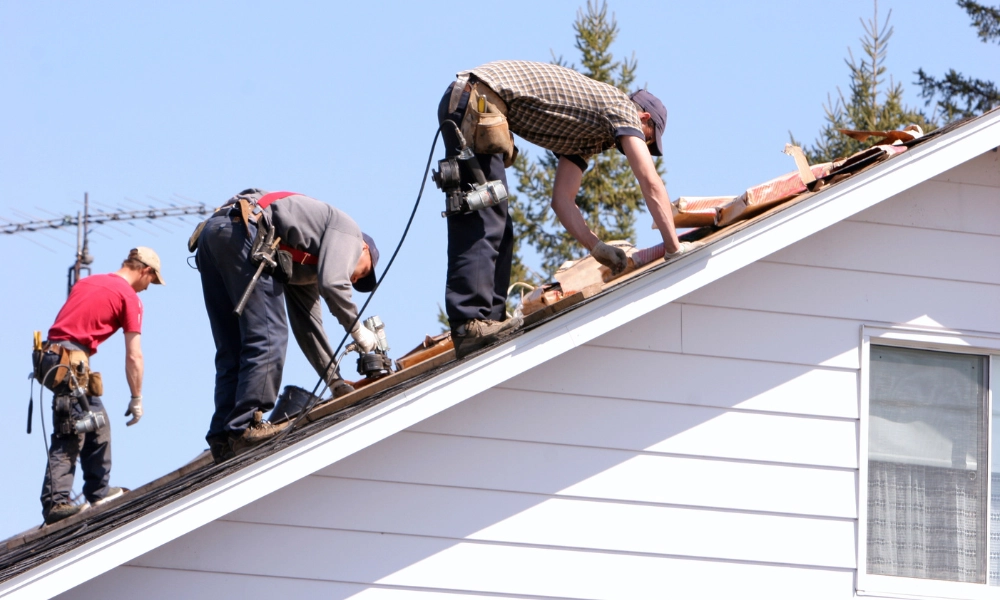
The average roof replacement takes 1 to 5 days, depending on the size of your roof, how it’s designed, the materials used, and the experience of your roofing contractor. A basic asphalt shingle roof can be done in 1 to 2 days, but more complex projects that use tile, slate, or metal roofing can take a week or more.
Getting your roof replaced is one of those home improvement projects that feels massive. There will be a lot of noise, a huge mess, and a crew tearing off shingles above your head while you try to go about your day.
It’s a disruption, no way around it—but how long does it take to replace a roof? That answer depends on a few things:
- The size of your roof
- How complex the job is
- The type of roofing materials being used
- The experience of the roofing crew
A simple asphalt shingle roof on an average-sized house might be finished in a day or two. But if the job is more involved—like removing multiple layers of old roofing, working with steep slopes, or installing specialty materials like clay tiles—it could take a week or more.
And that’s assuming the weather cooperates the whole time.
In this guide, we’ll walk you through everything that impacts your timeline, from the type of roofing material to how experienced your contractor is, so you know what to expect and what can cause delays when replacing your roof.
Table of Contents
ToggleHow Long Does it Take to Remove and Install New Roofing?
No two roofs are exactly the same. And neither is the time it takes to install them. Some materials go on quickly, while others take longer because of their weight and the way they’re installed.
The table below gives you an idea of how long it takes to remove and install common roofing materials.
| Roofing Material | Average Duration |
| Asphalt Shingles | 1-3 days |
| Metal Roofing | 2-7 days |
| Slate Roofing | 6-8 days |
| Wood Shake | 3-5 days |
| Clay Tiles | 5-10 days |
| Concrete Tiles | 8-11 days |
| Composite Shingles | 2-4 days |
What Else Can Affect Your Roof Replacement Timeline?
Choosing a roofing material is just one part of the equation. Other factors can also affect how long your roof replacement takes. Here are some of the biggest ones:
1. The Size of Your Roof
Your roof’s size is one of the biggest factors in how long a replacement will take. More square footage means more materials, labor, and time.
Even if your home isn’t large, your roof’s actual surface area may be bigger than you think. Here’s why:
- Pitch: A steeper roof has more surface area. For example, a 1,500-square-foot home with a moderate 6/12 pitch (a 6-inch rise per 12-inch run) can have 1,700–1,900 square feet of roofing.
- Overhangs (Eaves): Even small 1–2 foot overhangs can add 100–300 square feet or more.
- Architectural Features: Dormers, valleys, and intersecting sections can increase roof area by 10–25% or more compared to a simple gable roof.
Since so many factors influence your roof’s actual size, it’s best to have a professional measure it rather than relying on your own estimates. A roofing company will be able to give you a more accurate picture of how long your replacement will take.
2. The Way Your Roof is Designed
Not all roofs are simple, flat surfaces. The more intricate the design, the longer it takes to work on. If you need to replace asphalt shingles on a basic, single-story home, the job is usually quick. However, if your roof has several peaks or dormers, expect it to take more time.
Steep Slopes
The steeper the pitch, the harder it is for roofers to move around safely. If your roof pitch is greater than 4:12 (4 inches of rise for every 12 inches of run), the crew will need additional safety equipment like harnesses and scaffolding, which adds additional time to the project.
Steeper roofs also require more precision since the materials will have to be properly secured to prevent sliding or improper sealing.
Multiple Valleys and Ridges
More angles mean more cutting, fitting, and sealing. Every valley (where two roof sections meet) requires special underlayment and flashing to prevent leaks, adding to the labor time. The same goes for ridges, where ridge vents and cap shingles must be installed carefully for proper ventilation.
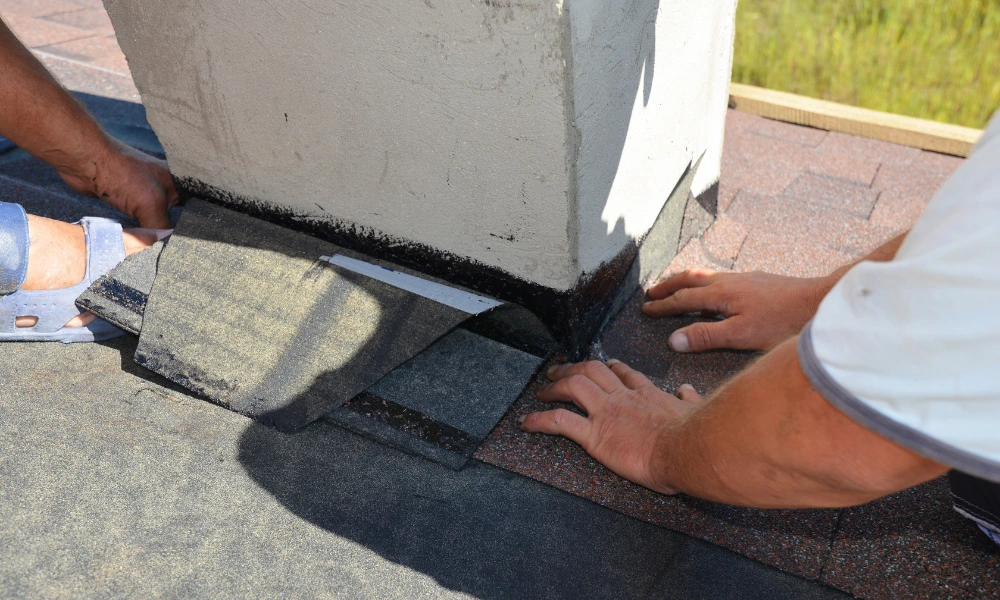
Dormers, Skylights, and Chimneys
Anything that interrupts the roofing surface requires extra flashing and sealing to prevent leaks. Flashing around dormers, skylights, and chimneys must be installed perfectly. One mistake, and you’ll have a leak a leak.
These details might not seem like a lot, but they can add hours (or even a full day) to the job, especially on older roofs where the existing flashing needs to be replaced.
3. Tear-Off vs. Overlay Installation
There are two main ways roofs are replaced: removing the existing materials entirely or adding a new layer on top of what’s already there. Each one affects how long it’ll take to replace your roof and the long-term durability of it.
Tear-Off Method
This involves stripping away all existing shingles, flashing, and underlayment before installing the new roofing system. While this method takes longer, it provides a fresh start, allowing roofers to inspect and repair any structural issues before the new materials are installed.
Overlay Method (Roof Recovery)
An overlay means putting new shingles right over your old ones instead of tearing everything off. It’s easier, faster, and way less messy—but it’s not always an option.
Most roofs can only handle two layers of shingles. So if your roof’s already been overlaid once, you’ll need a full tear-off.
Even if you can go the overlay route, it has downsides. Trapped moisture, hidden damage, or sagging spots won’t get fixed—they just get covered up. And that can end up costing you more in the long run.
If a contractor suggests an overlay, have them confirm that the existing roof is in good structural condition. Otherwise, a complete tear-off is the better option, even if it adds time to the project.
4. Structural Integrity Issues
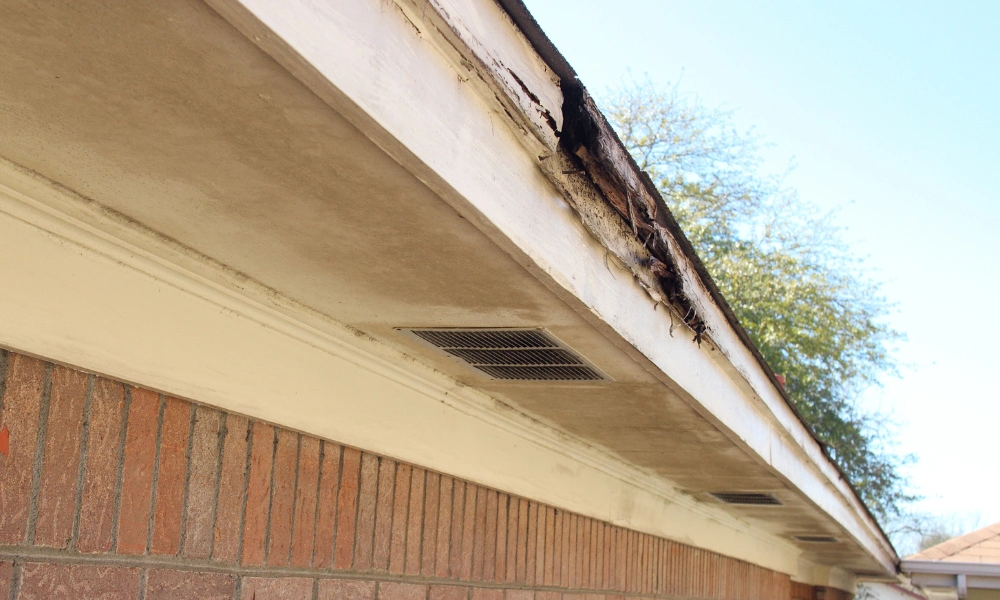
Sometimes, the biggest delays aren’t visible until the old roofing comes off. Hidden water damage, rotted decking, or sagging sections can all add time to your project.
If your contractor finds structural damage, repairs have to be made before any new roofing goes on. This could mean replacing plywood decking or reinforcing weak framing, all of which take time.
Minor repairs might add a few hours, but extensive structural issues can delay the project several days.
This is one reason why a full tear-off is usually the better choice. It gives your contractor the chance to spot and fix hidden problems before installing any new materials.
5. Weather and Seasonal Impacts
Weather conditions can significantly affect how long a roof replacement takes. Because roofing is an outdoor job, certain conditions can delay the process.
- Rain can halt work entirely. Roofing crews cannot install materials on a wet surface without compromising the roof’s integrity.
- Winter months often lead to delays due to shorter daylight hours and cold temperatures, which can slow installation. Additionally, some materials, such as asphalt shingles, require warmer temperatures for proper adhesion.
- High summer temperatures can create unsafe working conditions, resulting in shorter workdays and potential delays.
- Best conditions for roof replacement include clear skies and moderate temperatures, allowing crews to work efficiently without weather-related disruptions.
For homeowners who want to minimize weather-related delays, spring and early fall typically offer the best conditions for roof installation.
6. The Size of the Crew Working on Your Roof
The number of people working on your roof directly impacts how long the job takes. Before they start, ask your contractor how many workers you should expect at your home.
A larger crew can significantly cut down on installation time, while a smaller team may need additional days to complete the job.
- Smaller crews (3–4 workers): May take two or more days to complete an average asphalt shingle roof. Larger or more complex projects could stretch even longer.
- Mid-sized crews (5–6 workers): Can typically finish a standard asphalt shingle roof in a day but may need extra time for steep or intricate designs.
- Large crews (7–8+ workers): Can complete most residential roofs in a single day, with only the biggest or most complex homes requiring a second day.
If your roof replacement is expected to take more than a day, many crews strip and install one side at a time or at least apply underlayment before stopping for the night. This prevents exposure to unexpected rain or overnight moisture buildup.
7. Contractor Pay and Experience
Not all roofing companies work at the same pace, and a lot of that comes down to how they’re paid:
- Some crews are paid per project, meaning they make the same amount whether they finish in one day or three. This gives them an incentive to work efficiently.
- Others are paid per day, which sometimes results in a slower pace since their earnings aren’t tied to how quickly they complete the job.
The best roofing contractors prioritize efficiency without sacrificing quality. A skilled crew works quickly but takes the time to do the job right, reducing the risk of mistakes and delays.
An experienced company also understands local building codes and permitting requirements. They know how to schedule inspections, pull the right permits, and factor these steps into the project timeline.
How You Can Tell a Roofing Contractor is Inexperienced
Hiring the wrong roofing company can turn what should be an easy job into a stressful experience.
Here’s what to watch out for before signing a contract:
- Little to no knowledge of roofing materials and installation details: A good contractor should be able to walk you through different material options, explain the benefits and drawbacks of each, and recommend what’s best for your home.
- Lack of a clear timeline: If a contractor can’t give you a reasonable estimate of how long the job will take, that’s a problem. A well-run company should be able to provide a clear timeframe based on your roof’s size, design, and material choice.
- No examples of past work: Every company has to start somewhere, but even newer businesses should be able to provide something—photos of completed projects, references from satisfied customers, or proof of past experience in the industry. If a contractor can’t show any evidence of their skills, that’s a red flag.
- Vague or incomplete contracts: Your contract should outline the full scope of work, including materials, labor, permits, and a payment schedule. If a contractor hesitates to put details in writing, you could be setting yourself up for unexpected costs or delays.
- Lack of licensing and insurance: Always verify that the contractor is licensed and insured. Without proper insurance, you could be liable if something goes wrong during the job.
To avoid these issues, research your local roofing companies carefully. Ask about their experience, how they’ve handled similar projects like yours, and what potential delays they could run into ahead of time.
See how well they explain the project to you. An experienced roofing company that can clearly describe materials, venting, flashing, and underlayment details is much more likely to do quality work.
Do You Live in Wake County, NC?
Find a local roofing company that will come out today and assess your property.
The Average Roof Replacement Time Based on Installation Methods
When replacing a roof, the material you choose and the way it’s installed significantly affect how long the replacement will take. Factors like weight, positioning, fastening methods and the skill level needed all come into play.
Below is a breakdown of how common roofing materials are installed and how long it takes, assuming an average-sized home (1,500–2,500 square feet) with a simple roof design and an experienced crew.
Asphalt Shingles (1-3 Days)
Asphalt shingles are the preferred option for most homeowners because they’re affordable, easy to work with, and can be installed quickly.
They’re relatively lightweight, which makes them easy to handle on the roof, and they come in ready-to-lay strips or sheets, which are then nailed directly to the roof deck using a hammer or nail gun.
Most contractors are very familiar with asphalt shingles (it’s the most common roofing material), so a skilled roofing crew can usually knock out an asphalt shingle roof in just 1-3 days and sometimes in a single day under ideal outdoor conditions.
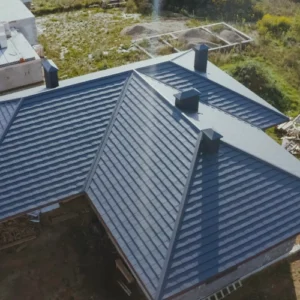
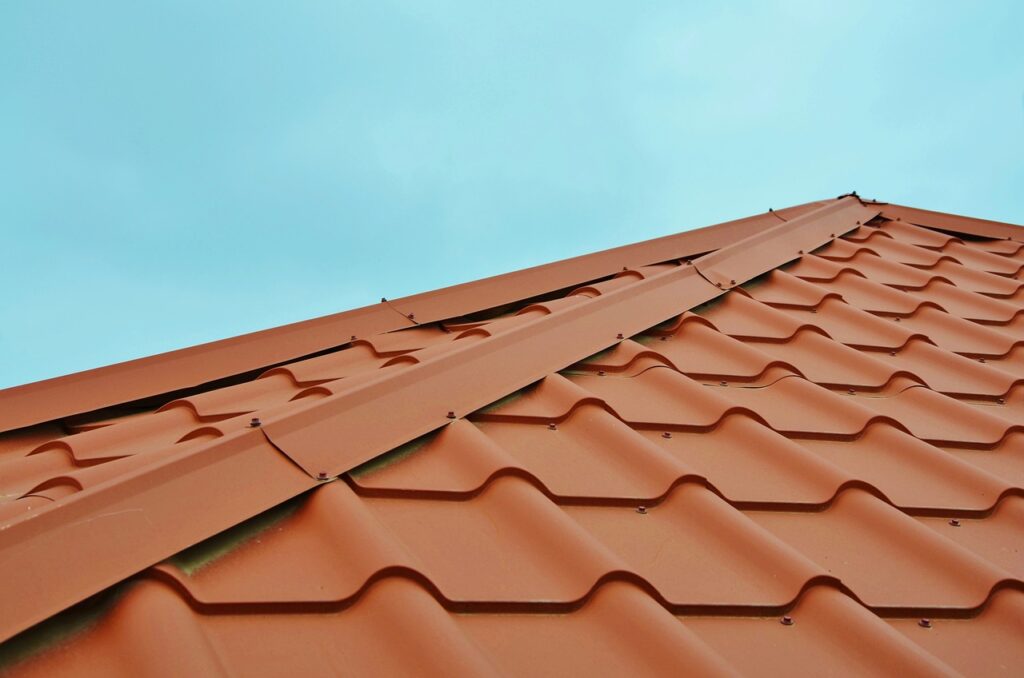
Metal Roofing (2-7 Days)
Metal roofing is known for its longevity, energy efficiency, and durability, but installation takes longer than asphalt shingles because each piece has to be measured and cut to size.
It comes in two main forms: large panels (like standing seam sheets) or smaller interlocking shingles. While fairly lightweight, these panels must be carefully aligned, especially around vents and chimneys, and securely fastened with screws or clips to create a tight, weatherproof seal and prevent shifting over time.
Since metal roofing is mechanically fastened, there’s no curing time like with other materials. However, installers must use proper installation techniques—like the use of seaming tools for standing seam sheets—and make sure each piece is correctly placed to prevent oil-canning (a wave-like appearance) or leaks.
Larger standing-seam panels can be installed fairly quickly, but metal shingles must be laid in a staggered pattern. This helps with wind resistance and water drainage, but it can make a replacement take longer.
Because of the potential for extra labor involved, metal roofing installations can take anywhere from 2 to 7 days. However, the result is a durable, low-maintenance roof that can last 40+ years.
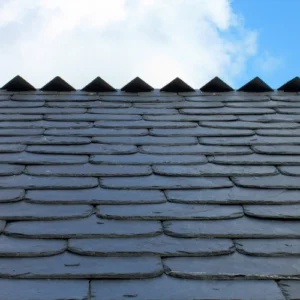
Slate Roofing (6-8 Days)
If you’re looking for a premium, long-lasting roof, slate is one of the best choices—but it’s not a quick installation. Real slate is made of stone, so it’s heavy, brittle, and laboring to work with. That’s why it has one of the longest installation times.
Each tile is thick and heavy (a slate roof can weigh 4–6 times more than asphalt per square foot), so just getting the material onto the roof is a slower process and may require reinforced equipment or staging.
Then there’s the installation itself. Every tile has to be hand-nailed (usually with copper or stainless steel nails) in a specific overlapping pattern to keep things watertight and distribute weight evenly. And because slate is very brittle and can crack if not handled properly or walked on wrong, roofers have to work carefully, one tile at a time.
This delicate, piece-by-piece installation demands highly skilled roofers (often specialists), and there’s no shortcut or “quick” method to slate. Sometimes, extra underlayment or flashing is added to match the long lifespan of the slate.
For a typical slate re-roof, you can expect it to take at least a week, with larger or more complex roofs taking up to two weeks. The extra time reflects the skill and precision required, but in return, you get a roof that can last 100+ years.
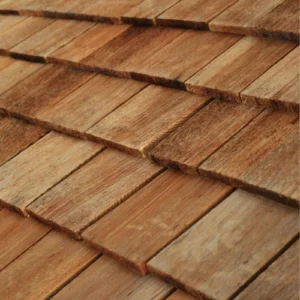
Cedar Shake (3-5 Days)
Cedar Shake has a rustic charm but requires an experienced roofer for proper installation.
Unlike uniform shingles, cedar shakes are hand-split and vary in thickness, meaning they need to be laid one by one and layered strategically for proper coverage and durability. Each piece is nailed to the roof, typically by hand or by very carefully using a nail gun, as the natural wood can split if nailed in with too much force.
Roofers also have to pay special attention to the spacing between each piece for ventilation and take the extra step of adding felt paper strips between each course of shakes. These interlayers help improve water resistance, which is important because cedar naturally expands and contracts with changes in moisture and humidity levels. All of this makes the process slower than a typical shingle installation.
Adding to that, not all crews specialize in wood shake installation, which can further slow down the process.
The installation process typically takes 3 to 5 days, but the end result is a beautiful, breathable roof that provides natural insulation and can last 30+ years with proper care.
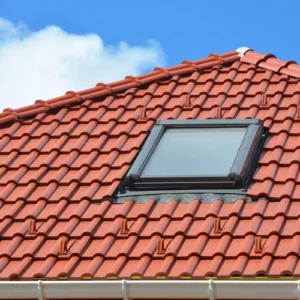
Clay Tiles (5-10 Days)
Clay tiles have that classic, old-world look that never really goes out of style—whether you’re going for the curved “Spanish” barrel tiles or a more flat, shingle-style design. They’re durable and look great, but their installation process is anything but quick.
Because clay tiles are heavier than most roofing materials, your roof may need extra structural support before a single tile gets installed.
Crews usually bring them up using special conveyor lifts, but from there, it’s all manual work. Each tile is laid one at a time by hand and need to be spaced just right to account for natural expansion and contraction. Otherwise, they can crack over time.
Most are fastened with nails or hooks to keep them securely in place and ensure proper drainage. For ridges and trim pieces, mortar or adhesive may be used, and those spots can require time to set.
All of these factors combined make clay tile roofs one of the more time-consuming roofing options, with installations usually taking around a week, but their longevity and decorative aesthetic make them well worth the longer installation time for many homeowners.
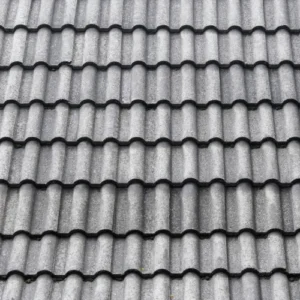
Concrete Tiles (8-11 Days)
Concrete tiles are often compared to clay because of their similar appearance and heavier weight. That said, they weigh almost 40% more than clay tiles, which means your roof will need reinforcement, especially if your home is older and not built for heavier materials.
Like clay, each concrete tile has to be placed by hand and spaced just right to allow for thermal expansion. The good news is they’re a bit more forgiving to handle, so they’re less likely to crack during installation. Still, roofers need to move slowly and carefully to avoid mistakes.
The underlayment for concrete tile roofing needs to be particularly strong, as water can seep beneath the tiles during wind-driven rains if not properly sealed. Roofers will typically use a premium 40-pound felt or synthetic underlayments with proper overlaps and sometimes double layers to help reduce tearing.
Once the tiles are on the roof, they need to be aligned and secured to stay put. That’s usually done with nails or by hanging them onto battens or the roof deck.
However, some crews now use foam adhesives, which create a strong bond without having to penetrate the roof surface. It’s a modern option that can help reduce the risk of leaks or damage. Regardless of which method is used, the job is still labor-intensive, with every tile carefully placed to form a tight, water-shedding pattern.
Then there are the finishing details like ridge pieces, trim, and hip caps.
These used to be set almost exclusively with mortar, and in many areas, they still are. But newer practices have introduced mechanical fasteners and adhesive-set systems, which can speed up the process and still provide a strong long-term hold.
Which method your roofer uses often comes down to your roof design, local building codes, and climate. Mortar might still be the better choice in areas with high winds or seismic activity, while adhesives or clips may be preferred in regions with frequent freeze-thaw cycles.
No matter how it’s done, these finishing steps are important. They take extra time, but they’re crucial for both the look and the long-term performance of your roof. If you’re getting your roof replaced with concrete tiles, you should expect it to take up to a week and a half to be installed.
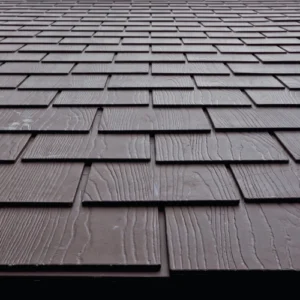
Composite Shingles (2–4 Days)
Composite shingles are a versatile and modern roofing option, made from a blend of materials like fiberglass, recycled plastics, rubber, or engineered polymers.
Some are even designed to replicate the look of slate, clay tiles, and cedar shakes, offering high-end aesthetics without the installation challenges of those materials.
While they’re still fairly lightweight, composite shingles are typically thicker and more rigid than asphalt, so they take a little more effort to install—especially around valleys, flashing, or chimneys, where cuts and adjustments are more detailed. They’re usually installed using a nail gun or hand nailing, much like asphalt shingles, but the process can require additional precision depending on the product’s design or interlocking mechanism.
One advantage is that many composite shingles come in larger format pieces or modular panels, which can speed up coverage on simple roof designs. However, since a lot of the designs mimic the patterns of other materials, they still require staggered placement for a natural look, which will stretch the installation timeline slightly.
On most average homes, a composite shingle roof takes 2 to 4 days to complete. It’s a solid middle-ground option—faster than tile or slate, more durable than basic asphalt, and generally easier to maintain over time.
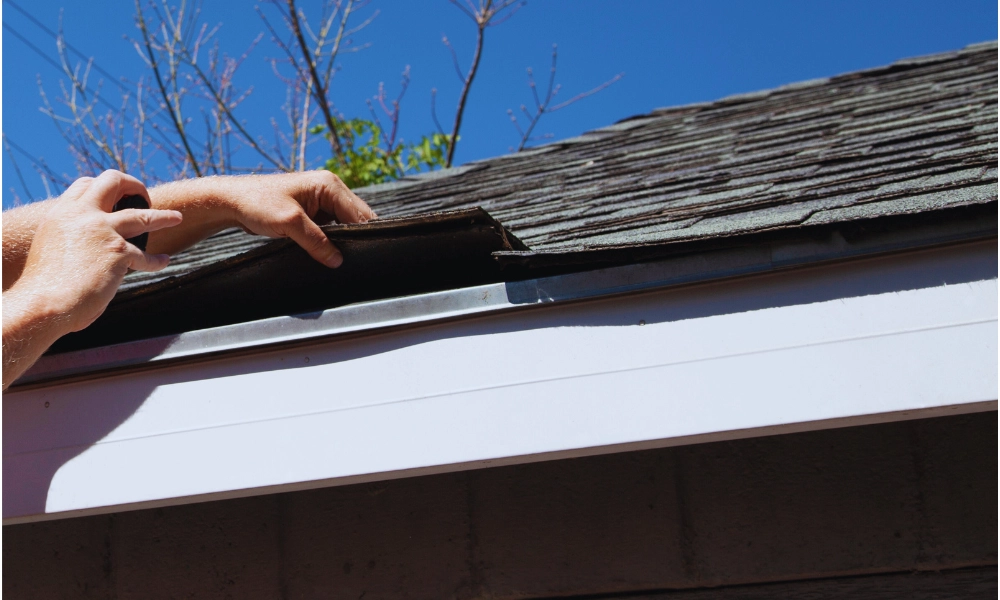
Next, we’ll go step by step through a typical roof replacement timeline so you know what to expect at each stage.
Day-by-Day Timeline: Typical Roof Replacement Process
Replacing a roof involves multiple stages. We’ve already discussed the main factors that affect how long a roof replacement takes and what to expect with the type of roofing material you’ll be using, but now, let’s talk about how long the entire project can take from start to finish. The process of replacing your roof typically follows these steps:
1. Initial Roof Inspection & Estimate (1–2 Days)
Before anything gets torn off, your roofing contractor will come out to inspect your current roof. They’ll check for things like water damage, soft spots, or multiple layers of old shingles.
After the inspection, you’ll get an estimate that includes cost, materials, and a rough timeline, so you’ll know what to expect before the work begins.
2. Permits & Scheduling (3–7 Days)
Whether or not you need a roofing permit depends on where you live and what kind of work you’re doing. In some areas, permits are required no matter what—even if you’re just replacing a few shingles.
Other places are more flexible and might only require a permit if you’re replacing a large portion of the roof, or if the project exceeds a certain square footage or dollar amount.
There’s also something called an EZ re-roofing permit, which some cities offer to speed up the process for standard replacements that don’t involve structural changes. It’s a simplified, fast-tracked permit that lets you skip a lot of red tape. But again, it depends on your local building department.
If you’re planning to switch roofing materials—say, from asphalt shingles to heavy clay or concrete tiles—that’s a different story. You’ll probably need a roofing permit and a building permit, especially if the new material adds extra weight or changes the appearance of your home.
Structural changes like these can affect the load-bearing capacity of your roof, so inspectors want to make sure everything’s up to code.
The good news is your contractor usually handles all the permitting for you. While they’re getting everything approved, they’ll also be ordering materials and scheduling the crew, so things are moving forward even if you’re waiting on paperwork.
The wait time here depends a lot on your local permitting office. Some are quick, and some take a few days to a week or more. If you’re in a busy area or replacing your roof during peak season, expect anywhere from a few days to a week. It all really depends on how fast your local office works.
3. Removal of Old Materials (1-2 Days Depending on Roof Size)
Once your contractor receives the permit to begin work, they’ll start by removing the old materials.
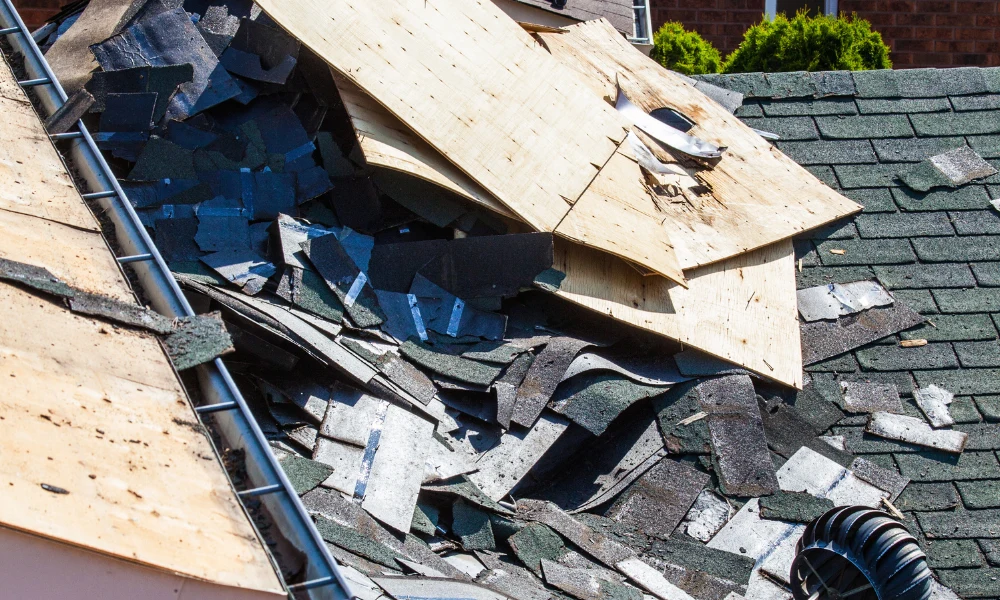
For a full tear-off, roofers will strip away the existing shingles, underlayment, and flashing. On a standard home, an experienced crew can tear off old materials and start installing underlayment by early afternoon.
On simpler projects, crews might even complete the entire tear-off before midday and begin laying shingles the same day. However, if the roof has multiple layers of old shingles the removal process takes longer and could extend into a second day.
Larger homes or roofs that need extensive structural repairs may require a two-day tear-off process before new materials can be installed.
In these cases, crews often strip one side of the roof at a time, applying underlayment as they go to protect the structure from potential weather exposure.
4. Repairing Structural Issues (1–3 Days, If Necessary)
If your roof deck has rot, water damage, or areas with weak spots, these have to be repaired before new materials are installed. The extent of the damage determines how long this step takes. Minor repairs may add only a few hours, while extensive structural work could delay the project by several days.
5. Installing Drip Edge & Underlayment (1 Day)
Once your roof deck is prepped and any damaged areas are repaired, the crew will start by installing a drip edge. This is a thin strip of metal that runs along the eaves and rakes. It helps direct water away from your fascia and into the gutters, protecting the edges of your roof from water damage.
Next comes the underlayment, which acts as a second line of defense beneath your shingles or tiles. Most homes get a synthetic or felt underlayment, but in colder climates (or anywhere prone to ice dams and heavy rain), you’ll likely need an ice and water shield as well.
This is a self-sealing membrane that gets applied to the most vulnerable areas of your roof—typically along the eaves, in valleys, around chimneys, and near skylights. It creates a watertight barrier that helps prevent leaks caused by ice buildup or wind-driven rain that can get under your roofing material.
The combination of drip edge, waterproof underlayment, and ice and water shield gives your roof a solid foundation to stand up against the elements—especially when storms hit or snow starts melting.
This step usually takes about a day, but it’s one of the most important parts of the whole install. If this layer isn’t done right, it won’t matter how good your shingles are.
6. Installation of New Roof Materials
This is the most time-consuming part of the project, and how long it takes will depend on the type of material you’re using to replace your roof.
For a more detailed breakdown, refer to our section covering the average replacement time based on the roofing material used to get a better idea of what to expect.
7. Final Inspection & Cleanup (1 Day)
Once your new roof is fully installed, your contractor will do a final walk-through to make sure everything is secure and properly finished—vents, flashing, ridge caps, drip edge, all of it. If a permit was required, your local building department will also send out an inspector for a final approval.
They’ll check to make sure the installation meets code requirements and matches the permit specifications. This usually happens shortly after the job wraps up, and your contractor should coordinate that for you.
After inspections, the crew will clean up the site and remove leftover materials. You’ll also want to make sure they run a magnetic roller to pick up nails because there will be a lot of them.
Most roofing companies include this in their cleanup, but it’s still worth asking ahead of time to be sure. Even if the crew does a solid job, you might still find a few nails left behind, especially in the grass or around garden beds. If that’s the case, it’s not a bad idea to rent a magnetic roller and do one last sweep after they leave.
Your Roofing Contractor Makes a Difference
Yes, the size of your roof, its design, the materials you choose—even the weather—all play a role in how long a roof replacement takes. But honestly, it mostly comes down to who you hire.
If you’re about to start the process, take the time to find the right contractor. Ask questions, get references, and don’t be afraid to dig into the details.
A qualified roofing contractor will give you a clear, realistic timeline upfront. They’ll explain what’s involved, walk you through the steps, and keep you updated from start to finish.
They’ll also have backup plans in place. If the weather turns or materials get delayed, they’ll know how to pivot without leaving your roof half-torn-off. And their crew will work efficiently without rushing, which makes the whole experience a lot less stressful.
If you’re getting vague answers or nothing in writing, move on and keep looking.
If you live in Wake County, NC and need a roof replacement, you can check out the local roofing companies listed in our Raleigh service business directory.
Frequently Asked Questions
1. Can a Roof Replacement for an Entire House be Done in One Day?
2. Can Roofers Install a New Roof in the Rain?
3. Does Roof Complexity Significantly Affect Costs?
4. Should I Stay Home During the Roof Replacement Process?
5. What Happens if Unexpected Damage is Found During Installation?
Search
Do you own a local business in Wake County?
List your business on our directory today and connect with more local customers!